Home/Industries/Manufacturing
SECTOR RISK INTELLIGENCE · ADVISORY

Manufacturing & Industrial Plants.

Safeguard high-value plant machinery, supply chains, and industrial workforce.

Manufacturing facilities operate heavy machinery, combustible materials, and complex assembly lines where a single mechanical failure or fire peril can halt production for months.

Deep sector domain expertise. Bespoke policy structuring. Claim advocacy.
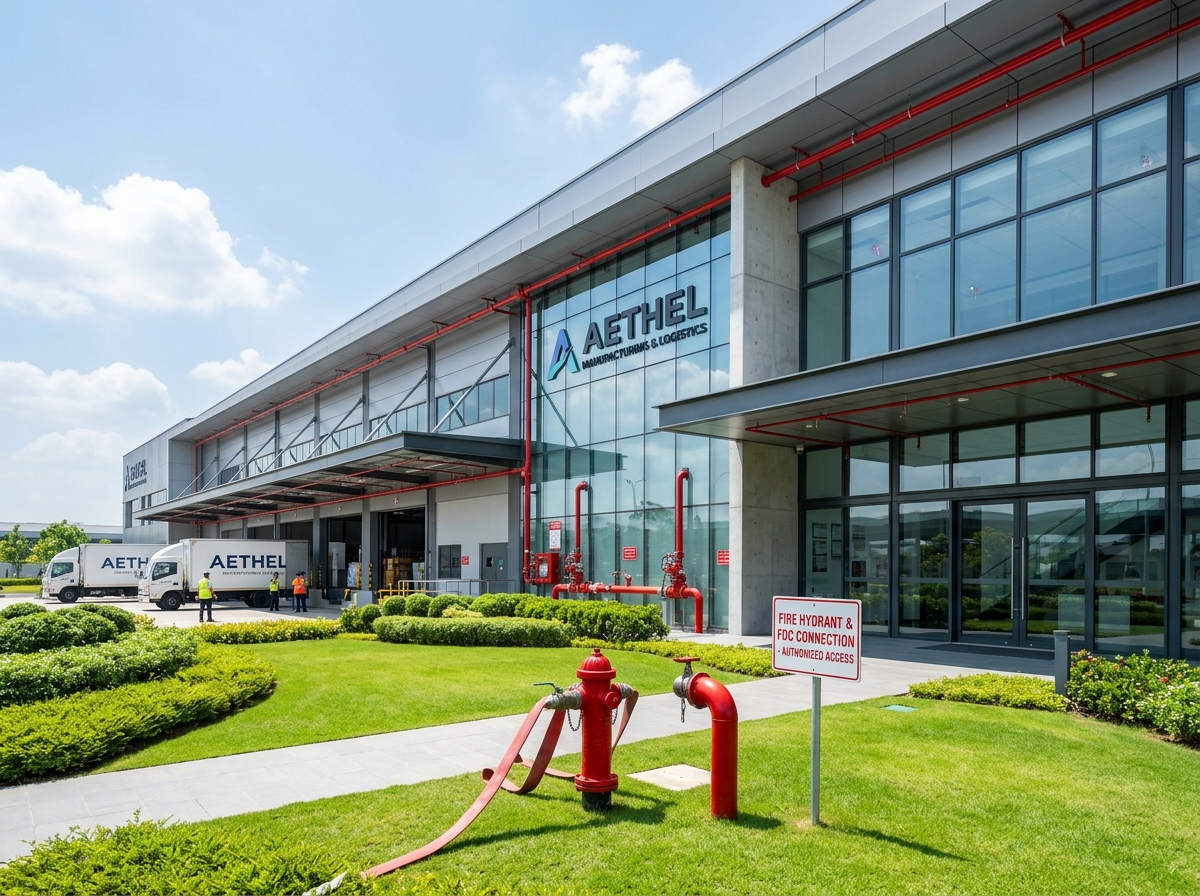
Industrial manufacturing plant and heavy production machineryGITVISHA · SECTOR RISK INTELLIGENCE
Sector ExposureManufacturing Focus
Comprehensive MitigationCustom Insurer Wording
TYPES OF RISKS & EXPOSURES

Critical vulnerabilities in Manufacturing.

Modern manufacturers face interconnected risks across physical factory assets, continuous assembly uptime, product quality liabilities, and workforce physical safety.

Asset & Property01

Machinery Breakdown & Mechanical Failure

High-capacity press lines, CNC centers, boilers, and transformers subject to mechanical stress, internal electrical surge, or operator mishandling.

Impact: Millions in equipment replacement costs and weeks of stalled production lines.
Recommended: Machinery Breakdown (MBD) & Boiler Pressure Plant Cover
Asset & Property02

Industrial Fire & Chemical Explosions

Combustible dust, petrochemical solvents, and continuous furnace heat create catastrophic fire risks that can consume entire warehouse and production bays.

Impact: Total plant write-off and extensive structural damage.
Recommended: Standard Fire & Special Perils / Industrial All Risks (IAR)
Operational & Interruption03

Business Interruption & Extended Downtime

While physical damage is repaired, fixed operational overheads, debt service payments, and lost gross profits continue mounting without incoming product revenue.

Impact: Severe balance sheet strain and potential insolvency during long lead-time equipment rebuilds.
Recommended: Business Interruption (FLOP / MLOP)
People & Workforce04

Workforce Injury & Hazardous Exposure

Assembly line machinery, high voltages, heavy lifting, and hot surfaces expose technicians and shop-floor workers to severe occupational injuries.

Impact: Statutory compensation obligations under the Employee's Compensation Act and legal penalties.
Recommended: Employee Compensation / Workmen Safety Insurance
Liability & Legal05

Defective Product Liability & Batch Recalls

Manufactured components or finished goods failing in consumer or commercial hands, causing bodily injury, property damage, or costly downstream recalls.

Impact: Third-party lawsuits, reputational collapse, and massive product recovery costs.
Recommended: Product Liability Insurance
Operational & Interruption06

Supply Chain & Transit Damage

Raw material imports and finished batch freight exposed to transit collisions, container flooding, or rough handling.

Impact: Raw material shortages that choke assembly pipelines.
Recommended: Marine Cargo Open Policy
UNDERWRITING PARAMETERS

What insurers inspect in Manufacturing.

Insurers price risks based on loss prevention safeguards, operational maintenance, and safety compliance. Here is what we audit before going to market on your behalf.

01

Machinery age, maintenance records, and OEM service contracts

02

Factory fire-fighting systems (hydrants, sprinklers, heat/smoke detectors, TAC compliance)

03

Chemical storage handling protocols and explosive hazard zoning

04

Maximum estimated loss (PML / EML) assessments across contiguous factory blocks

05

Workforce safety certifications, PPE compliance, and historic claims ratios

SECTOR EXPERTISE

Frequently asked risk questions.

Have questions specific to your facility, assets, or contract wording? Our advisory team is ready to help.

Speak to our sector specialists
What is the difference between Fire Insurance and Machinery Breakdown?

Standard Fire insurance covers losses originating from external insured perils (fire, lightning, flood, storm). Machinery Breakdown specifically covers internal causes—such as electrical short-circuiting, centrifugal force tearing, mechanical jamming, or operator error.

How is Business Interruption calculated for manufacturers?

It is calculated on your insured Gross Profit (Turnover minus variable costs) over an agreed Indemnity Period (e.g., 6 to 18 months), ensuring cash flow remains intact while equipment is repaired or replaced.

Are contractual supply penalties covered if production stops?

Pure contractual penalty clauses are generally standard exclusions, but business interruption covers the verifiable gross profit loss and additional costs of working (such as leasing alternative machinery) to prevent such penalties.

SECTOR RISK CONSULTATION

Discuss your Manufacturing risk portfolio.

Let our corporate insurance advisors analyze your existing policies, deductibles, and uninsured exposures with an objective perspective.

Thorough policy wording and gap audit
Competitive pricing across Tier-1 general insurers
Rapid claims settlement advocacy
Uninsured risk vulnerability identification

Request an Industry Risk Audit

Fields marked * are required.

Gitvisha maintains strict non-disclosure standards for all client corporate risk data.